Services
Satellite Radio Services
Satellite Radio Services are subscription-based digital radio broadcasting systems that use satellites to transmit audio across wide geographic areas—often entire countries or continents—providing more channels, clearer sound, and broader coverage than traditional AM/FM radio.
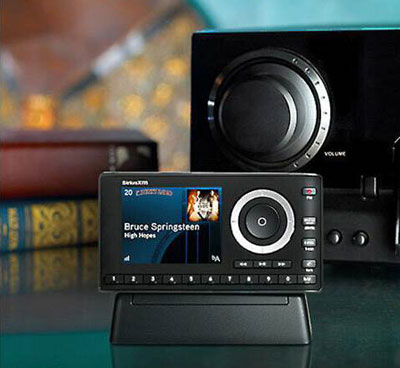
📡 What Satellite Radio Is
Because the signals come from orbiting satellites, coverage can span vast regions — much larger than local terrestrial stations.
The service is digital, offering typically clearer audio with less static than AM/FM broadcasting.
Most satellite radio is offered on a subscription basis, and receivers must be activated to decrypt the signal.
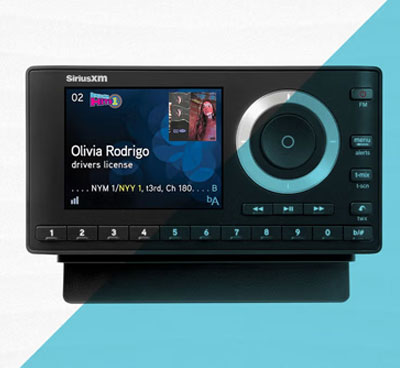
🎧 Key Features of Satellite Radio
Some systems incorporate ground repeaters in dense urban areas to fill in gaps where buildings might block the signal.
🎵 High-Quality Sound
Digital audio can approach near CD-quality sound, better than conventional radio.
💡 Where Satellite Radio Is Popular
Road trips and long-distance driving Areas without strong local radio signals Users who want specialty channels (e.g., certain music genres or exclusive shows)
📺 Diverse Programming
Programming is consistent nationwide (especially useful while traveling long distances).
📱 Subscription Model
Different subscription tiers often offer varying numbers of channels and features (e.g., streaming access with app support).
📻 Major Satellite Radio Providers
The largest satellite radio provider in North America (United States and Canada).
Formed by the merger of Satellite Radio .
- Offers 100+ to 400+ channels depending on the subscription plan, including:
- Commercial-free music
- News & talk
- Sports & live events
- Exclusive shows and pop culture channels
Uses geostationary satellites positioned ~22,000 miles above Earth to broadcast signals continuously over its coverage area.
📊 Pros & Cons
👍 Pros
Large variety of channels and genres
Nationwide or continental coverage
Clear, consistent audio quality
Works well during travel (e.g., on highways or rural routes)
👎 Cons
Requires a paid subscription
Needs compatible receiver equipment
May have reduced reception in tunnels or dense urban “urban canyons” without repeaters